Schedule Cards Editable Classroom Decor Review
As a designer who spends more time than I care to admit staring at stitch charts and testing thread tension, I approach every new machine embroidery design with a healthy dose of skepticism. We have all seen designs that look pristine in the software preview but fall apart under the needle. Today, I am evaluating the Schedule Cards Editable Classroom Decor template. While the product description leans heavily into its identity as a printable visual schedule for teachers, my goal here is to strip away the stationery context and look at this strictly through the lens of an embroiderer. Can this composition-book style aesthetic translate effectively into a physical, stitched medium? Is it viable for a commercial embroidery project, or does it lack the structural integrity needed for a high-quality finished product?
First Impressions: The Composition-Book Aesthetic
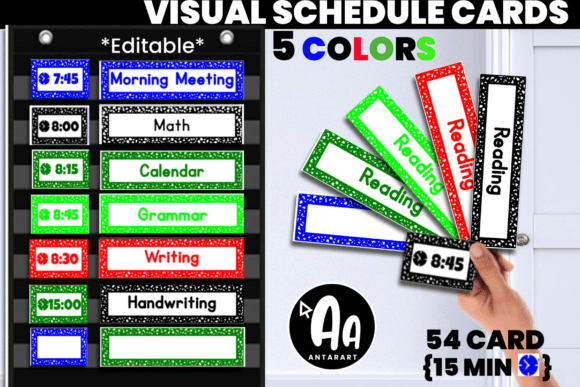
The immediate visual personality of the Schedule Cards Editable Classroom Decor is rooted in nostalgia and structure. The composition-book style is distinct—it implies grids, clean lines, and a certain academic order. For an embroiderer, this translates to a design that likely relies on geometric precision rather than organic flow. When I first looked at the layout, I thought about how these elements would hold up as an embroidered patch or a structured label on a bag.
The mood it creates is practical yet charming. It feels organized, which is exactly what you want when branding a small shop that sells educational supplies or teacher gifts. However, the challenge lies in the detail level. Grid lines and text-heavy layouts can be tricky in embroidery because they require high stitch density and precise alignment. If the lines are too thin, they risk merging together during the stitching process, creating a muddy blob rather than crisp schedule cards. As a reviewer, I am looking for clarity. Does the design maintain its legibility when translated from digital pixels to thread? The answer seems to be yes, provided the stitch density is managed correctly. The graphic nature of the design suggests it works best when treated as a bold statement piece rather than a subtle background texture.
Real-World Application: From Screen to Stitch
Let’s talk about where this design actually lives in the wild. I recently considered using a similar grid-based aesthetic for a custom tote bag design intended for a teacher client. The idea was to create a durable, reusable item that celebrated the profession. The Schedule Cards Editable Classroom Decor fits perfectly into this niche. Imagine a canvas tote bag featuring the editable schedule card motif, perhaps with the days of the week stitched in contrasting thread colors. This transforms a simple accessory into a personalized gift that resonates emotionally with the recipient.
But the applications don’t stop there. For Etsy sellers and craft business owners, this design offers versatility across multiple product categories. It could easily be adapted for a sweatshirt embroidery project aimed at elementary school staff. The composition-book theme pairs well with retro or vintage-inspired fashion trends. You might place a single, smaller version of the card design on the chest of a hoodie, creating a handmade product that feels both professional and playful. Alternatively, consider using it for baby embroidery projects, such as labeling a diaper bag or creating a milestone blanket where each square represents a different stage of growth, mimicking the schedule card format.
I also see potential in home decor. A pillow cover featuring this design could add a touch of whimsy to a nursery or a home office. The key here is execution. The design must feel intentional, not just slapped onto fabric. By treating the Schedule Cards Editable Classroom Decor as a core brand asset, you elevate the perceived value of your items. Customers trust brands that pay attention to thematic consistency, and a well-executed educational theme signals professionalism and care.
Technical Challenges and Fabric Considerations
No design is without its pitfalls, and this one requires careful navigation. The primary concern with any text-heavy or grid-based graphics set is the limitation of hoop size and fabric texture. If you attempt to stitch this on a textured fabric like heavy denim or a loose-weave linen, the details will get lost. The threads will sink into the weave, blurring the sharp lines that define the composition-book style. For best results, stick to smooth, stable fabrics like cotton twill, felt, or tightly woven canvas.
Another critical factor is the choice of stabilizer. Because schedule cards often involve fine lines and potentially small lettering, you need a strong cut-away stabilizer to prevent puckering. If the fabric stretches during stitching, the grid will distort, ruining the illusion of a neat schedule. I strongly advise testing the design on scrap fabric first. Check the thread colors against your chosen fabric. High contrast is essential; light gray thread on white fabric will disappear, while black thread on black fabric is invisible. Always inspect small details by zooming in on your digitizing software before committing to the final hoop.
Furthermore, consider the end-use of the product. If you are making a custom apparel item that will undergo frequent washing, ensure that the design is anchored properly. Edges of fill stitches can fray if not trimmed carefully. For items like aprons or kitchen towels, this design adds a functional charm, but it must withstand the rigors of laundry. Dark fabrics present another hurdle; you may need to use a lighter thread palette or add a backing layer to make the design pop, which adds bulk and complexity to the construction.
Designer Notes for Commercial Success
If you plan to sell finished goods made with the Schedule Cards Editable Classroom Decor, licensing is paramount. Before you list anything on Etsy or your own website, confirm whether the template allows for commercial use of the finished physical items. Many digital templates are restricted to personal use only. Violating these terms can lead to serious legal issues for your small shop product line.
To maximize visual appeal, I recommend creating printable mockup images that show the design in context. Show the schedule card on a real tote bag, pinned to a bulletin board, or stitched onto a child’s backpack. This helps buyers visualize the finished product and increases conversion rates. Also, think about the color story. Since the design is editable, you can offer variations—pastel tones for spring, bright primaries for back-to-school season, or muted neutrals for year-round sales. This flexibility is a huge advantage for design assets creators.
Ultimately, the Schedule Cards Editable Classroom Decor is more than just a digital file; it is a versatile foundation for creative entrepreneurship. It appeals to a specific audience—teachers, parents, and educators—who value organization and aesthetics. By approaching it with technical rigor and a keen eye for detail, you can transform a simple grid pattern into a standout piece of commercial embroidery. Whether you are making a holiday embroidery gift or building a brand around educational themes, this design has the potential to be a reliable workhorse in your studio, provided you respect the technical limitations of the medium. Test thoroughly, choose your fabrics wisely, and let the clean lines of the design speak for themselves.