Wildflower Tumbler Wrap Review
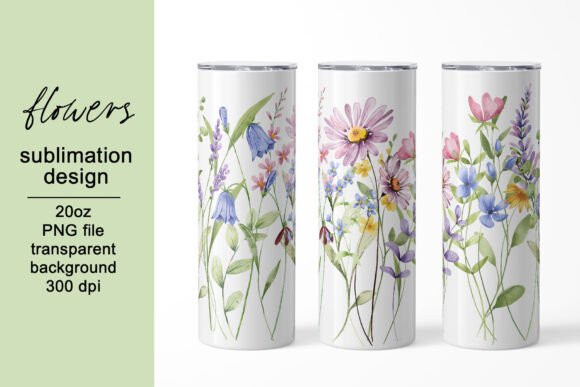
As a designer who spends more time judging stitch density and fabric behavior than scrolling through endless design libraries, I approach every new asset with a mix of skepticism and curiosity. Recently, I pulled Tumbler Wrap, Design with Wildflowers. into my workflow to see if it holds up outside of a digital mockup. The product description promises a bright, sublimation-ready PNG with a transparent background and a watercolor hand-drawn aesthetic. But for those of us working in machine embroidery or high-end textile printing, the file format is only half the story. The real question is: does this design translate well into a tangible, sellable product?
I decided to test this concept not on a standard tumbler, but on a custom embroidered tote bag intended for a local boutique client. The goal was to create a spring-themed accessory that felt organic yet professional. Here is my practical breakdown of how this design performs in a real-world commercial setting.
First Impressions and Visual Personality
The moment you load the file, the watercolor hand drawing style stands out. In a market saturated with rigid vector lines and overly symmetrical floral patterns, this design offers a softer, more artisanal feel. The wildflower theme suggests freedom and natural beauty, which immediately signals "handmade" and "boutique quality" to the buyer. It doesn’t look like mass-produced clip art; it looks like something sketched by hand, which adds significant perceived value to the final piece.
The layout is balanced without being perfectly centered, giving it a dynamic, flowing energy. This is crucial for tumbler wraps because it allows the design to wrap around the curve of the vessel naturally. When applied to flat surfaces like tote bags or aprons, that same flow creates movement across the fabric, preventing the design from feeling static or boxy. The bright color palette is eye-catching but not garish, striking a balance between cheerful and sophisticated.
Real-World Application: The Tote Bag Scenario
Let’s talk about the specific use case. My client wanted a reusable shopping bag for a flower shop partnership. I initially considered using this as an applique design, layering different colored fabrics to mimic the watercolor effect. However, given the intricate details of the wildflowers, I opted for direct embroidery on a heavy-duty canvas tote.
The result was impressive. The stitch density appeared consistent, allowing the finer petals to hold their shape without bleeding into one another. For a small business owner, this means less time spent trimming threads and fixing mistakes. The design works exceptionally well for personalized gifts because the open spaces in the watercolor style provide ample room for adding names or dates in a complementary font without cluttering the composition.
This same logic applies to other products. Imagine this design on a sweatshirt embroidery project for a nursery line, or perhaps as a decorative accent on a kitchen towel. The versatility of the graphics category here is strong. It bridges the gap between casual craft projects and higher-end retail items. An Etsy seller could easily list this as part of a bundle—pairing the design with matching coasters or napkins—to increase average order value.
Where Caution Is Required
No design is perfect for every surface. While the wildflower wrap shines on structured items, there are specific scenarios where you need to exercise caution. First, avoid placing this on highly textured fabrics like chunky knits or bouclé wool. The fine details of the hand-drawn style will get lost in the weave, resulting in a muddy appearance. Similarly, thin or stretchy fabrics can distort the hoop size stability, causing the flowers to pucker or shift.
If you are attempting this on a curved surface like a baseball cap, be mindful of the tension. The wrap is designed to contour a cylinder (the tumbler), so adapting it to the complex curvature of a hat brim might require digitizing adjustments to prevent gaps or overlaps. Also, consider the background. On dark fabrics, the transparency of the watercolor style might not pop as effectively unless you use a contrasting underlay or a light-colored base fabric. Always test your thread colors against your actual fabric stock before committing to a full production run.
Impact on Product Value and Branding
In the world of handmade commerce, presentation is everything. A design like Tumbler Wrap, Design with Wildflowers. elevates the perceived quality of the finished product. Customers are willing to pay a premium for items that look thoughtfully designed rather than generically stamped. The organic nature of the wildflowers aligns perfectly with current trends toward sustainability, mindfulness, and natural living.
For brands focusing on wellness, gardening, or lifestyle products, this design reinforces brand consistency. It feels authentic. When you pair this with proper finishing techniques—such as clean edges and sturdy handles—the entire package screams professionalism. This is particularly important for commercial embroidery clients who need their merchandise to stand out in crowded markets like craft fairs or online marketplaces.
Practical Designer Notes for Implementation
Before you hit print or start stitching, keep these technical checks in mind:
- Test on Scrap Fabric: Always run a sample on the exact material you plan to use. This reveals how the stabilizer interacts with the fabric and whether the thread sheen complements the design.
- Check Stitch Density: Ensure the machine embroidery design isn’t too dense for the fabric weight. Too much thread can cause puckering, especially on lightweight materials.
- Review Small Details: Zoom in on the smallest petals. If they are too tiny, they may not render clearly in embroidery. Consider simplifying or enlarging if necessary.
- Black and White Mockups: Convert the design to grayscale to check contrast levels. This helps ensure legibility regardless of color choices.
- Licensing Confirmation: Verify the license terms. Even if you buy a digital embroidery file for personal use, selling the finished item requires commercial rights. Make sure you have permission to produce small shop products for resale.
Final Verdict
Tumbler Wrap, Design with Wildflowers. is a versatile, aesthetically pleasing asset that brings a touch of elegance to everyday objects. Its watercolor charm and adaptable layout make it suitable for a wide range of applications, from tote bag designs to holiday gifts. While it requires careful consideration of fabric type and hoop stability, the payoff in terms of customer appeal and brand professionalism is well worth the effort. For designers looking to add a fresh, organic element to their portfolio, this design is a solid addition.
Whether you are creating a unique embroidery project for yourself or building a catalog of design assets for your customers, this wildflower wrap delivers on its promise of brightness and beauty. It’s a reminder that sometimes, the simplest, most natural designs leave the strongest impression.