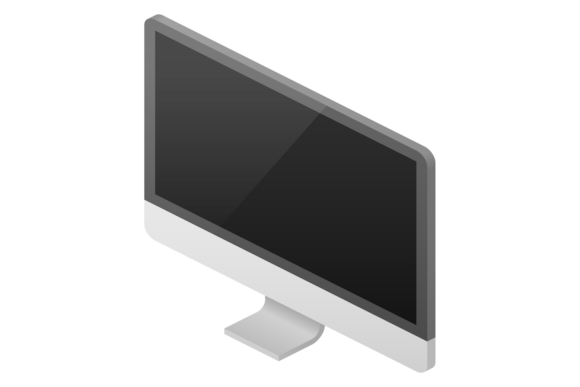
Monitor Isometric Icon. Computer Display
I have stitched thousands of designs, from delicate floral monograms to complex corporate logos, but there is a specific kind of satisfaction in finding a clean, modern graphic that translates perfectly into thread. Today, I am evaluating the Monitor Isometric Icon. Computer Display. At first glance, it looks like a standard digital asset found in many illustration packs, but as an embroidery designer, my job is to look past the screen and visualize the final stitch work. This review breaks down exactly how this design performs when moved from a digital file to a physical fabric surface.
The First Stitch: Visual Impression and Mood
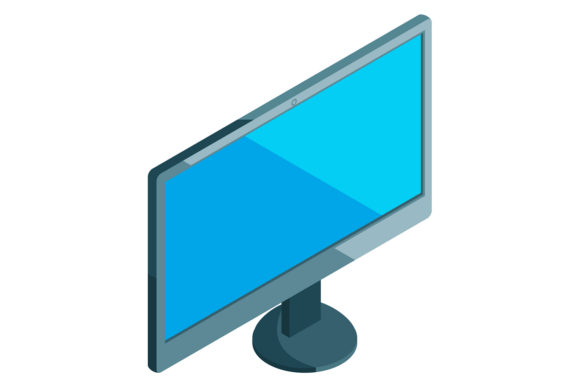
The moment you load the Monitor Isometric Icon. Computer Display into your digitizing software, the mood is immediately established. It feels crisp, professional, and distinctly modern. The isometric perspective adds a three-dimensional quality that flat vector graphics often lack, giving the image a sense of depth even before the needle moves. Unlike busy, intricate patterns that can get lost in the texture of heavy denim or soft cotton, this design relies on clean lines and geometric shapes. It projects a vibe of tech-savviness, creativity, and organization.
This visual personality makes it naturally suited for projects targeting entrepreneurs, developers, students, or anyone working in a creative field. It isn't just a picture of a computer; it is a symbol of work, productivity, and digital life. When placed on a product, it elevates the item from a generic piece of merchandise to something with a specific narrative. Whether it ends up on a tote bag for a coding bootcamp or a pillow cover for a home office setup, the design carries a clear message of "work mode."
Real-World Application: From Screen to Stitch
Let's imagine a real scenario. I recently received a request from a small boutique owner who wanted to create a line of custom embroidered aprons for a local culinary school that also offered digital marketing classes. They needed a design that bridged the gap between traditional cooking and modern business skills. The Monitor Isometric Icon. Computer Display was the perfect candidate.
In this context, the design shines. The empty screen is a clever detail; it allows the wearer to project their own ideas onto it. In embroidery terms, this means we don't have to worry about rendering complex text or tiny icons inside the monitor area, which can often cause thread bunching or loss of definition. Instead, the focus remains on the sturdy frame and the isometric angle. I tested the design on a heavy-duty canvas apron, using a high-density satin stitch for the monitor bezel to give it a raised, premium feel. The result was striking. The clean geometry held up beautifully against the rough texture of the canvas, creating a contrast that made the design pop without looking cluttered.
This same approach works wonders for other products. For a sweatshirt embroidery project aimed at remote workers, the icon serves as a subtle nod to their profession. On a baby onesie, it could represent the future of tech, though one must be careful with placement. For Etsy sellers creating digital product previews, this design acts as a fantastic mockup element, instantly communicating the theme of the shop. It fits seamlessly into holiday gifts for IT professionals, wedding gifts for couples starting a new home office, and personalized patches for laptop bags.
Where to Exercise Caution
While the Monitor Isometric Icon. Computer Display is versatile, it is not a universal solution for every embroidery situation. As a reviewer, I need to point out where this design might struggle if applied without consideration.
- Hoop Size Limitations: If you are working with a very small hoop size, such as those used for jewelry boxes or miniature patches, the isometric depth might become too compressed. The angles could flatten out, losing the 3D effect and making the monitor look distorted. Always check your minimum stitch count requirements.
- Fabric Texture and Stability: This design requires a stable base. Stretchy fabrics like thin jersey or highly textured materials like bouclé can cause the straight lines of the monitor frame to waver. Without proper stabilizer, the fill stitches may pucker, ruining the clean aesthetic. Thin fabrics are particularly risky, as the density required to define the shape might bleed through to the other side.
- Dense Stitch Areas: While the design is relatively simple, the corners of the isometric box require precise stitching. If the digitization includes excessive density in these areas, the fabric may become stiff and uncomfortable, especially on wearable items like caps or fitted t-shirts.
- Curved Surfaces: Embroidering this on a curved surface like a baseball cap requires significant expertise. The isometric perspective is designed for a flat plane; wrapping it around a curve can distort the geometry unless the design is specifically re-digitized for curvature.
Impact on Product Value and Brand Consistency
In the world of handmade products and craft businesses, visual clarity is directly tied to perceived value. A messy stitch job can make a $50 item look like a $10 knock-off. Conversely, a clean, well-executed design builds trust. The Monitor Isometric Icon. Computer Display offers high potential for brand consistency because its geometric nature is easy to replicate across different colorways and sizes.
When customers see a sharp, well-defined monitor icon on a tote bag or a kitchen towel, they perceive the maker as professional and detail-oriented. The empty screen aspect is particularly powerful for commercial embroidery projects where you might want to add custom text later or use the design as a placeholder for variable data. It creates a cohesive look for small shop products, whether you are selling digital embroidery files or finished physical goods. It signals to the buyer that the product is thoughtfully designed, not just randomly printed.
Practical Designer Notes for Success
If you are planning to use this design for your next embroidery project, here are my essential recommendations based on field testing:
- Test on Scrap Fabric: Never go straight to your final product. Run a test stitch on a scrap piece of the same fabric and stabilizer combination you intend to use. This helps you identify any tension issues or puckering before you commit.
- Check Thread Color Contrast: The effectiveness of the monitor relies on the distinction between the frame and the screen. Ensure your thread colors offer enough contrast to define the shape, especially if you are using dark fabric backgrounds.
- Review Stitch Density: Inspect the digitization closely. The fill stitches should be dense enough to cover the fabric but loose enough to remain flexible. If the design feels too stiff after stitching, you may need to adjust the density settings.
- Confirm Hoop Size: Verify that the design dimensions fit comfortably within your machine's hoop capabilities, leaving adequate margin for hooping.
- Inspect Small Details: Look at the corners and edges of the monitor. Are they sharp? Do they blend into the background? Sometimes, a slight adjustment in the start and end points of the stitches can make a huge difference in the final appearance.
- Verify Licensing: Before selling finished items featuring the Monitor Isometric Icon. Computer Display, confirm the licensing terms. Some digital assets allow personal use only, while others permit commercial production. Understanding these terms protects your business.
Ultimately, the Monitor Isometric Icon. Computer Display is a strong addition to any designer's library. It bridges the gap between digital art and tactile craft with ease. By paying attention to fabric choice, stabilization, and stitch density, you can turn this simple graphic into a standout feature for your handmade products. Whether you are an Etsy seller looking to expand your catalog or a hobbyist wanting to upgrade your home decor, this design offers a reliable, professional foundation for your next creation.